Mississippi Judge Clears Way for Trinidad Chambliss to Play for Ole Miss in 2026
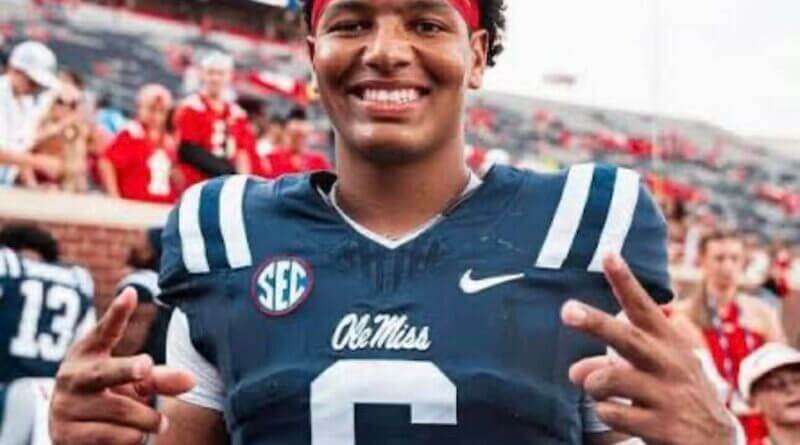
PITTSBORO, Miss. — A Mississippi judge on Thursday granted Ole Miss quarterback Trinidad Chambliss a preliminary injunction that prevents the NCAA from declaring him ineligible, clearing the way for the star signal-caller to suit up for the Rebels in the 2026 season while his lawsuit proceeds through court.
The ruling from Judge Robert Whitwell, sitting in Calhoun County Chancery Court, blocks enforcement of the NCAA’s denial of Chambliss’ request for a sixth year of college football eligibility — a decision that threw the collegiate football world into uncertainty earlier this year.
Judge’s Ruling: What It Means
The preliminary injunction prevents the NCAA from officially enforcing its eligibility decision against Chambliss while the legal challenge unfolds. The NCAA retains the right to appeal the ruling.
The decision comes after days of argument in a relatively low-profile Mississippi courtroom, where lawyers for Chambliss had pressed their case that the NCAA’s denial was arbitrary and unfair. The ruling now allows Chambliss to remain on the field in 2026 — at least temporarily — even as the underlying lawsuit makes its way through the legal system.
Background: NCAA Waiver Denial and Lawsuit
Chambliss, a senior quarterback who led the University of Mississippi Rebels to the College Football Playoff semifinals in 2025, had sought a sixth year of eligibility after the NCAA denied his medical waiver request on Jan. 9.
The NCAA ruled that Ole Miss and Chambliss hadn’t submitted sufficient medical documentation showing he suffered from an “incapacitating injury or illness” during his sophomore season at Ferris State, when respiratory issues limited his participation.
After that denial — and an unsuccessful internal NCAA appeal — Chambliss’ lawyers filed suit in Mississippi state court on Jan. 16 seeking a preliminary and permanent injunction against enforcement of the NCAA’s decision.
Legal Strategy and Key Issues
Unlike most recent eligibility disputes — which have been pursued in federal court on antitrust grounds — Chambliss’ lawsuit takes a contractual approach in state court, alleging the NCAA acted in bad faith. By winning a preliminary injunction, Chambliss’ team has achieved its primary short-term goal: the chance to play in 2026 regardless of the final outcome of the lawsuit.
Attorneys argued the NCAA misapplied its own rules and ignored credible medical evidence that should have supported a sixth year of eligibility. If Chambliss ultimately loses the lawsuit, the NCAA would likely seek to enforce its eligibility rules retroactively — though that scenario could spark further litigation.
Reaction and What’s Next
Chambliss’ supporters and Ole Miss officials hailed the judge’s ruling as a major victory. Still, the NCAA can appeal both the injunction and the merits of the case, meaning the legal battle is far from over.
Former Ole Miss head coach Lane Kiffin — who coached Chambliss during the 2025 season — weighed in publicly during the hearing, reflecting the intense attention the case has drawn in college football circles.
As the case continues, all eyes will remain on Mississippi courts and the NCAA’s legal team, with implications that could shape future eligibility disputes across collegiate athletics.