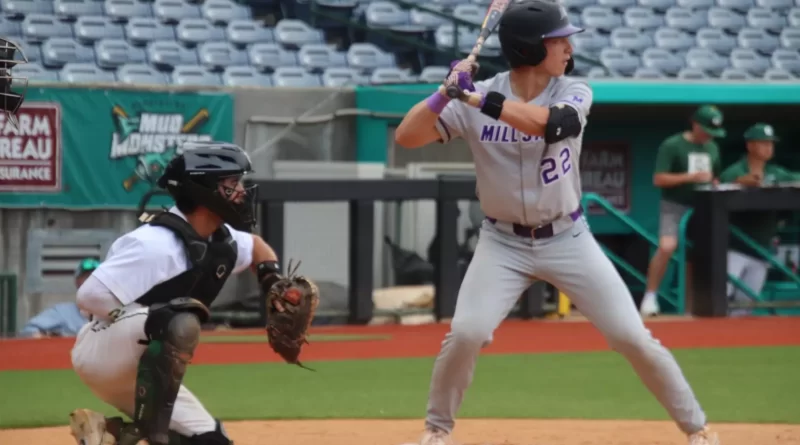
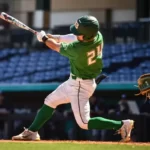
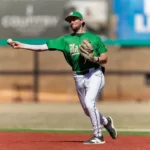
PEARL, Miss. — The Millsaps College baseball team fell to No. 19 Belhaven 12-1 in seven innings Tuesday at Trustmark Park. The Blazers took an early lead with an 11-run first inning and held on to even the series at one game each.
Millsaps (10-14) was aiming to secure the 2026 Cowboy Maloney Series Trophy after winning the opener 14-7 last week. The decisive game will be played April 14 at Twenty Field, starting at 6 p.m., according to the school.
Freshman Carter Guillory pitched the fifth and sixth innings in relief, keeping Belhaven scoreless and allowing just one walk. Offensively, sophomore Carston Williams had an RBI single. Junior Wesley Grant scored a run and sophomore Kyle Veal Jr. went 1-for-2 at the plate. Senior Mason Morgan drew a walk and was hit by a pitch.
Belhaven (18-7) jumped ahead early, scoring 11 runs in the first inning on six hits, three hit-by-pitches and two walks. Morgan and freshman Christian Kretzer drew walks in the second and third innings, but Belhaven prevented any damage with a double play and a strikeout. In the bottom of the third, the Blazers added a run.
Millsaps mounted a rally in the sixth, with Grant reaching on a single, stealing second, and advancing to third on a wild pitch. Williams singled home Grant, but the Majors could not add more, ending the inning with a groundout. The series will conclude with the final game in Jackson on April 14.
The Majors will next host Oglethorpe University in Atlanta for a two-game series Friday and Saturday, with game time at 4 p.m. CT Friday. Live video and stats will be available at gomajors.com. Follow Millsaps baseball on X and Instagram or like Millsaps Majors Athletics on Facebook for updates.
Millsaps College, founded in 1890 in Jackson, Mississippi, is a private liberal arts college known for academic excellence and social engagement. It has been recognized by several national rankings for value and quality, including U.S. News & World Report and The Princeton Review.